


In response to increasing threats to the rights of Freedom of Assembly and Association (FoAA) in Nigeria, the Open Knowledge Development Initiative, in partnership with Life Line, organized a six-month project from March to August 2024. This initiative aimed to safeguard these fundamental freedoms and strengthen advocacy efforts across the country. Through targeted engagement with grassroots movements, civil society organizations, policymakers, and the general public, the project successfully amplified voices demanding reforms and legal protections.
Key Activities and Achievements
- Workshops on Legal Mechanisms and Communication Strategies for Advocacy
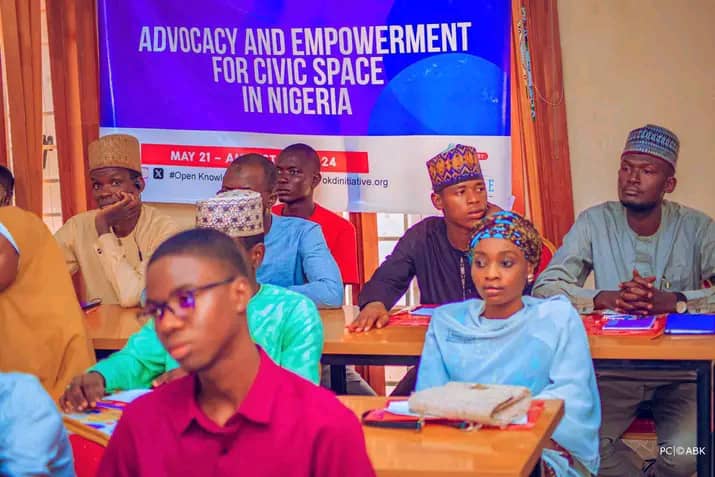
The project conducted stakeholder workshops designed to enhance legal knowledge of FoAA and develop effective communication strategies. Attended by key figures, including the branch Chairman of the Nigerian Bar Association, civil society leaders, and government representatives, these workshops provided a platform for education and discussion. The sessions were widely covered by Africa Independent Television, further amplifying the project’s message.
- Media Campaign and Communication Strategy Manual

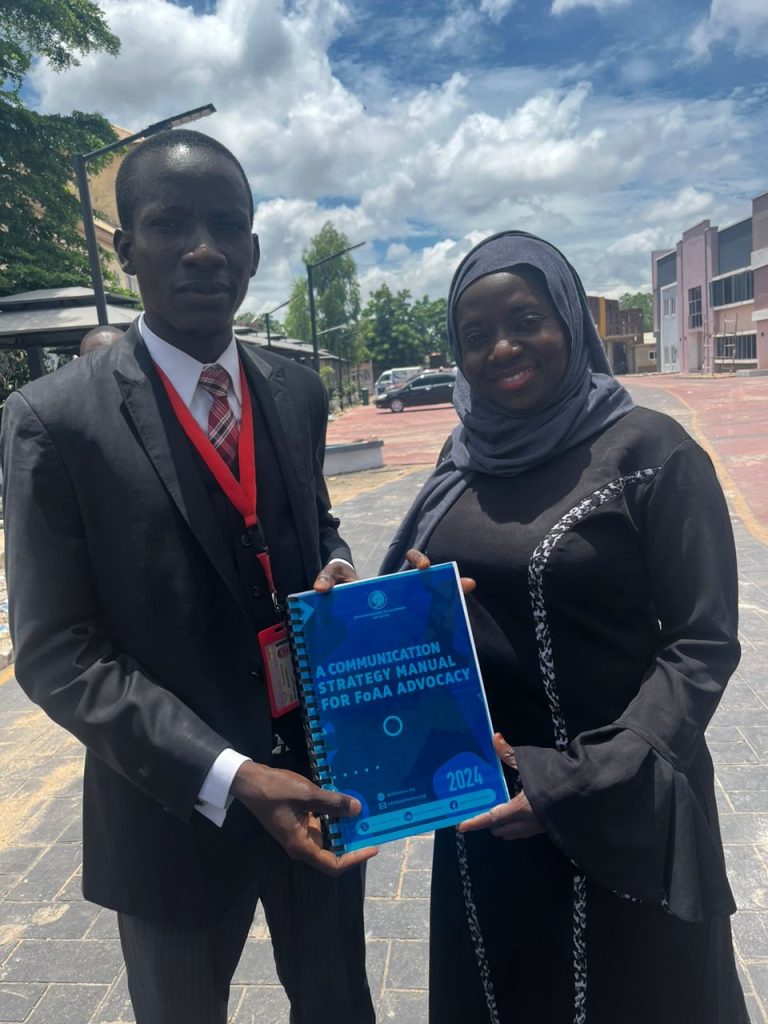
A dynamic media campaign was executed, engaging thousands of individuals, particularly through the use of local languages to maximize reach. As part of this effort, a comprehensive Communication Strategy Manual was developed. This manual serves as a practical guide for FoAA advocacy and will continue to be a vital resource for civil society organizations and activists across Nigeria.
- Research Paper on Freedom of Assembly and Association (FoAA)
A well-researched and in-depth paper analyzing the status of FoAA in Nigeria was published. This document explores existing legal frameworks, highlights recent developments, and identifies challenges faced by civil society organizations and human rights defenders. Additionally, it offers strategic recommendations for strengthening FoAA protections.
- Multi-Stakeholder Advocacy Meetings
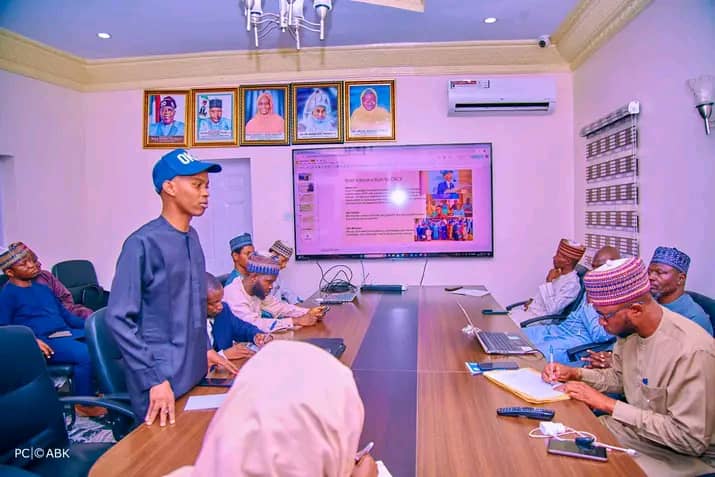
Advocacy meetings were held with key policymakers, civil society organizations, government authorities, and legislators, igniting interest and discussions around safeguarding FoAA. High-level engagements included dialogues with the Solicitor General, a Magistrate Judge, and the Nigerian Bar Association—an influential legal body. Moreover, reputable organizations such as AGILE and prominent legislators actively participated in these discussions.
Impact and Future Directions
The Advocacy and Empowerment for Civic Space project has made significant strides in raising awareness, enhancing legal knowledge, and mobilizing support for democratic freedoms. By equipping stakeholders with the tools and knowledge necessary for effective advocacy, the initiative has strengthened the resilience of civil society in Nigeria. Looking ahead, sustained engagement with policymakers, continuous awareness campaigns, and grassroots mobilization will be crucial in ensuring that the right to freedom of assembly and association remains protected.
This project marks a vital step towards reinforcing civic space in Nigeria, ensuring that advocacy for fundamental freedoms continues to thrive in the face of challenges. Open Knowledge Development Initiative and Life Line remain committed to empowering individuals and organizations to champion democracy and human rights.
Conclusion
The success of the Advocacy and Empowerment for Civic Space project demonstrates the power of collaboration in defending democratic rights. By uniting grassroots organizations, legal professionals, and policymakers, this initiative has laid the foundation for long-term advocacy and policy reforms. Moving forward, continued efforts are needed to sustain this momentum and push for the protection of FoAA in Nigeria. Open Knowledge Development Initiative and Life Line encourage all stakeholders to remain engaged, informed, and proactive in the fight for civic freedoms. Together, we can build a more inclusive and democratic society.